
Klasey Wojcik
kwojcik@srascreening.com
Direct: (754) 201-2693
Zulay Moreno
zmoreno@srascreening.com
Direct: (561) 569-8027
SRA Screening’s Form I-9 and E-Verify integration makes onboarding easier. Complete the entire employment eligibility verification process within your hiring workflow while reducing manual steps and improving compliance.
With our integrated solution, you can:
✅Simplify onboarding from start to finish with one integrated solution.

A Maryland man was sentenced to 21 months in federal prison for his role in a scheme that sold fake nursing diplomas, transcripts, and licenses, enabling unqualified individuals to enter the healthcare workforce. Federal authorities said the operation generated more than $1.5 million in losses and involved fraudulent credentials from nursing schools in Virginia and Florida. The sentencing is the latest development in the broader Operation Nightingale investigation, which identified more than 7,600 individuals who purchased fraudulent nursing degrees from several South Florida programs. Prosecutors emphasized that the scheme undermined the integrity of nursing licensure and potentially put patient safety at risk by allowing untrained individuals to practice as nurses.

Two proposed California bills, AB 2064 and AB 2095, could significantly reshape how employers use criminal history information in hiring decisions. The legislation would require employers to provide stronger evidence that a conviction is directly related to job duties, conduct more thorough individualized assessments, and maintain detailed documentation supporting adverse hiring decisions. If enacted, the bills would increase transparency and accountability while setting a higher standard for fair chance hiring compliance.

In a recent California court decision, judges ruled that job applicants may have the right to sue employers for certain background check disclosure violations, even when no tangible harm occurred. The ruling could increase employer exposure to statutory damages for technical compliance errors involving disclosure and authorization forms used during the screening process. For employers, the case serves as an important reminder that background check documents should be regularly reviewed to ensure they meet both federal and state requirements.
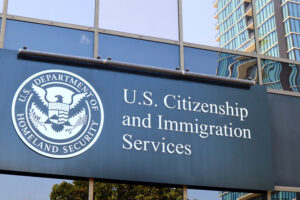
Under the new guidance, several Form I-9 errors that were previously considered technical and could be corrected during an audit are now treated as substantive violations that may result in penalties. With I-9 enforcement expected to remain a priority, employers should consider conducting internal audits, updating their procedures, and training staff responsible for completing and maintaining I-9 forms.

Employers are no longer required to contact previous FMCSA-regulated employers to verify a driver’s drug and alcohol testing history. Instead, a pre-employment query through the FMCSA Drug and Alcohol Clearinghouse now satisfies this requirement for the previous three years of FMCSA-regulated employment. Employers should review their hiring practices to ensure they are using the Clearinghouse correctly and understand that direct employer inquiries may still be required for applicants with employment under other DOT-regulated agencies.
Stay informed, stay compliant, and streamline your hiring process with SRA Screening.