
Klasey Wojcik
kwojcik@srascreening.com
Direct: (754) 201-2693
Zulay Moreno
zmoreno@srascreening.com
Direct: (561) 569-8027
SRA offers Health Care Compliance Searches at both Level 1 and Level 3 to help support your screening needs.
These searches help identify:
🚨Individuals who may be excluded from government programs
🚨Sanctioned Individuals
🚨Debarred Individuals
🚨Individuals linked to fraud, abuse, or licensing issues.
Drawing from hundreds of sources, including the OIG exclusion list, SAM, state Medicaid exclusion lists, and licensing boards, these searches provide a comprehensive view or potential risk.
Ongoing monitoring is also available, allowing you to stay informed of any changes after the initial search is complete. Reach out today if you are interested!

The ruling highlights key expectations employers should keep in mind when using criminal history in hiring, including assessing whether a conviction is truly job-related and ensuring candidates are properly notified if it influences a decision. It also underscores how these requirements intersect with federal and local laws, adding another layer of complexity. Overall, it serves as a reminder that clear processes and consistent, compliant practices are essential.
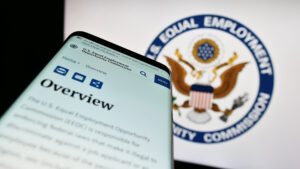
When it comes to background checks, the basics matter more than ever. Employers are expected to follow a clear, consistent process, providing proper disclosure, obtaining authorization, and giving candidates a fair chance to respond before making a final decision. At the same time, applicants have the right to review their reports and dispute any inaccuracies. It’s a straightforward message: transparency and consistency aren’t just best practices, they’re essential for staying compliant.
From a broader perspective, the situation underscores the importance of thorough background screening and credential validation in regulated industries. Employers are reminded to verify licenses directly with issuing authorities and remain vigilant for inconsistencies in applicant information. The case also reflects growing concerns around identity fraud and its potential impact on safety, compliance, and organizational risk. Overall, it serves as a strong reminder that robust screening processes are essential to protecting both organizations and the public.
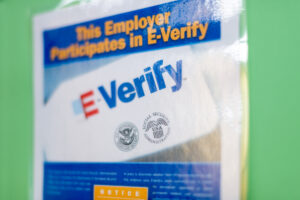
The bill, which would require private employers to use the federal E-Verify system to confirm employees’ work eligibility, ultimately passed the Idaho House in a 43–26 vote after intense discussion. Lawmakers weighed economic concerns against stricter enforcement of immigration related employment rules. Proponents argue the system is simple and necessary to prevent unauthorized employment, while opponents, particularly from agriculture and dairy sectors, fear it could worsen labor shortages and disrupt key industries. With the proposal now heading to the Senate, the conversation is far from over, and its potential impact on businesses and the workforce continues to be closely watched.
Stay informed, stay compliant, and streamline your hiring process with SRA Screening.