

Welcome to the August edition of SRA Screening Insights. This month’s newsletter features updates on employment background screening, compliance, credential verification, and industry news to help you stay informed and hire with confidence.
Klasey Wojcik
kwojcik@srascreening.com
Direct: (754) 201-2693
Zulay Moreno
zmoreno@srascreening.com
Direct: (561) 569-8027

Gift card scams are becoming increasingly convincing, with cybercriminals impersonating company leaders and targeting employees, especially newer team members, through urgent texts or emails requesting gift card purchases.
Attackers often use information found on LinkedIn, company websites, data brokers, and breached databases to make their messages seem legitimate. Because these scams rely on trust, authority, and urgency rather than malicious links or attachments, traditional cybersecurity tools may not catch them. Employees should be cautious of unexpected requests for gift cards, requests to send card codes or receipts, or messages pressuring them to act quickly.
The best protection is simple: pause and verify. Before making any unusual purchase or sending sensitive information, contact the requester through a trusted company channel to confirm the request is legitimate.

A recent case in Syracuse, New York, is drawing attention to the risks organizations can face when background checks are not part of the hiring process. The City of Syracuse discovered that a Department of Public Works employee was a Level 3 registered sex offender only after he was arrested on new allegations involving a 12 year old girl. The employee had previous convictions involving minors, but the city did not routinely conduct background checks for DPW positions, meaning his criminal history was not identified during the hiring process.
Following the arrest, the employee was terminated, and the Syracuse Mayor announced that the city would review its hiring practices and require background checks for all future city hires. For employers, it is a timely reminder that a thorough screening process can help identify potential risks before they become larger workplace or reputational concerns.
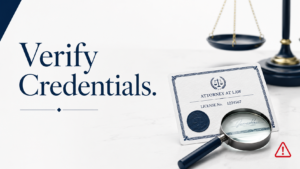
He looked like a lawyer, acted like a lawyer, and collected nearly $300,000 in legal fees, but there was one major problem: he was never licensed to practice law. A Memphis man pleaded guilty to impersonating an attorney after representing clients and collecting fees without the credentials required to do so. The case is a powerful reminder that professional credentials should never simply be assumed. License verification helps employers confirm that candidates are properly qualified, uncover potential discrepancies, and reduce the risk of placing an unqualified individual in a position of trust.

A recent case involving a Birmingham area water utility is putting workplace drug screening practices and polices under the spotlight. Former employees have raised concerns about surprise testing, how nonnegative results were handled, and whether proper confirmation and follow up procedures were in place before employment decisions were made. With a class action lawsuit now reportedly in the works, the situation is a strong reminder that drug screening should be supported by clear policies, consistent procedures, confidentiality, and appropriate verification steps. A well managed screening program can help support a safe workplace while also reducing legal, reputational, and employee relations risks.

A recent class action complaint is putting the adverse action process under the spotlight. According to the lawsuit, an applicant had already signed an offer and begun onboarding when the position was withdrawn based on information in a background report. The applicant alleges he was not given a copy of the report or a meaningful opportunity to dispute the information before the offer was rescinded, and that the report may have included criminal history that was too old to be reported under state law.
This case shows how quickly a hiring decision can become a compliance issue when the adverse action process is not handled carefully. Giving applicants the required notices, access to their report, and time to address potential errors is a critical part of a fair and defensible screening program.
Stay informed, stay compliant, and streamline your hiring process with SRA Screening.