
Klasey Wojcik
kwojcik@srascreening.com
Direct: (754) 201-2693
Zulay Moreno
zmoreno@srascreening.com
Direct: (561) 569-8027
Operation Nightingale revealed that verifying a nurse’s license alone may not be enough. Education verification plays a critical role in identifying credential fraud.
If education verification isn’t part of your process, reach out for more info.
Bipartisan Momentum Is Growing for Automatic Record Sealing Through the Clean Slate and Fresh Start Acts – Bipartisan support behind new federal Clean Slate legislation is growing, aiming to expand opportunities, reduce hiring barriers, and strengthen workforce participation through automatic record sealing.

Connecticut is reviewing the credentials of more than a hundred nurses linked to a nationwide fake nursing diploma scheme, with several dozen already disciplined and others still under investigation. Regulators are conducting case-by-case assessments to confirm whether each individual completed legitimate coursework, hands-on training, and competency requirements. These efforts reflect a broader push to close gaps in the licensing process, ensure only properly trained professionals enter the workforce, and reinforce public confidence in the safety and integrity of patient care.

A theft investigation at a West End facility shared by Pittsburgh police and medics uncovered a concerning breakdown in security procedures. Contract plumbers working inside the building had not completed required background checks, allowing unvetted individuals access to sensitive emergency response and law enforcement areas. City officials are now reviewing contractor oversight and hiring practices, reinforcing why thorough background checks are essential to safeguarding facilities, personnel, and public trust.
A recent legal settlement in California involving a national event staffing provider exposed gaps in how criminal background information was used during hiring. Investigators found an applicant was disqualified solely because of a past conviction, without the individualized assessment or opportunity to respond required under California’s Fair Chance Act. The case underscores why background checks must comply with state laws to balance safety and risk management while ensuring candidates are evaluated fairly. As part of the settlement, the employer agreed to revise its hiring policies, train staff, and strengthen compliance with fair-chance background check laws.

Oral fluid testing detects recent drug use by analyzing saliva, with detection beginning within minutes of use and continuing while the drug remains in the bloodstream, giving it an earlier detection window than urine or hair testing. The method is fully observed, which greatly reduces the risk of tampering, substitution, or adulteration and helps decrease invalid test results. While lab-based oral fluid testing is permitted in most states — with only Hawaii and Vermont prohibiting its use — employers also benefit from the flexibility to choose the specimen type best suited to the situation and the ability to conduct collections anytime and almost anywhere, often near the workplace to minimize downtime. Overall, oral fluid testing offers employers a practical, compliant option for improving efficiency, accuracy, and workplace safety.

Bipartisan support is building in Congress for federal “clean slate” laws that would automatically seal certain low-level federal criminal records. The Clean Slate Act and Fresh Start Act aim to open doors to employment, housing, and education for millions while also expanding the available talent pool and reducing unnecessary hiring barriers. These reforms are seen as a way to boost workforce participation, improve economic stability, and support successful reentry.

Starting July 1, 2026 (for larger employers) and January 1, 2027 (for smaller ones), the amended Washington Fair Chance Act will prohibit Washington employers from asking about an applicant’s criminal history until after a conditional job offer is made, ban blanket exclusions for those with records, and require a documented individualized assessment if an employer takes adverse action based on a conviction. Employers must update job postings, screening forms and vendor contracts now and ensure their adverse-action notices and hiring processes comply or face steeper penalties.
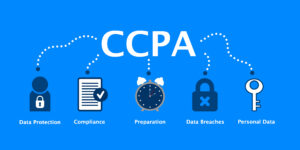
The California Privacy Protection Agency found that the largest rural lifestyle retailer failed to properly notify consumers and job applicants of their privacy rights, lacked a compliant opt-out mechanism (including recognition of opt-out preference signals), and shared personal information with third parties without the required privacy safeguards. As part of the resolution, the company must pay the fine, implement significant remedial measures to bring its privacy practices into compliance, and provide annual compliance certifications for the next four years.
Stay informed, stay compliant, and streamline your hiring process with SRA Screening.