

Klasey Wojcik
kwojcik@srascreening.com
Direct: (754) 201-2693
Zulay Moreno
zmoreno@srascreening.com
Direct: (561) 569-8027
You can verify an applicant’s identity before the background check even starts.
With vID Identity Verification, we scan the applicant’s ID to confirm it’s legitimate, automatically capture the data, and attach it to the file, no manual entry needed.
☑️ Supports 2,000+ ID types
☑️ Covers 140+ countries
☑️ Built right into QuickApp
From 5-Panel to 4-Panel: How Marijuana Reclassification Could Change DOT Drug Testing – A recent executive order to reclassify marijuana from a Schedule I to a Schedule III controlled substance has introduced uncertainty for the commercial trucking industry, particularly around federal drug testing authority. While the change does not legalize marijuana federally or immediately alter DOT regulations, it raises questions about how existing safety requirements may be affected.

A major haunted attraction in Pennsylvania allowed a volunteer with a prior conviction involving indecent exposure and corruption of minors to work alongside teenage volunteers for several seasons. The individual’s criminal history was not identified through the organization’s background check, reportedly due to limitations in the screening scope. This gap exposed weaknesses in the organization’s volunteer screening practices and raised serious youth safety concerns. The case underscores the importance of screening policies that address appropriate jurisdictions and timeframes, comply with laws designated to protect minors, and align with established best practices to help mitigate risk.

Court records indicate that two software engineers hired by a federal contractor had prior convictions related to hacking activity that were not identified during pre-employment screening. After the company later discovered the convictions and terminated their employment, one of the individuals allegedly retained access and carried out destructive actions within the organization’s network, impacting systems used by multiple U.S. government agencies. The incident illustrates how missed screening indicators at hiring, followed by breakdowns in termination controls, can escalate into major security events. Including a federal criminal search in the screening process helps ensure convictions like these don’t go unnoticed, especially in roles with access to sensitive data.
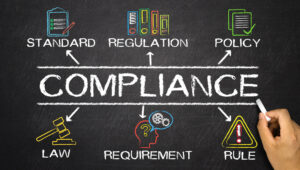
Pennsylvania law strictly regulates how employers collect and use criminal history information, starting with the state’s Criminal History Record Information Act (CHRIA). The law limits how conviction data can be considered in hiring decisions. On top of that, local ordinances in cities such as Philadelphia and Pittsburgh further restrict when employers may ask about or evaluate criminal history. Federal Fair Credit Reporting Act requirements also apply, making proper disclosures, authorization, and adverse-action procedures a critical part of compliant background screening. Together, these requirements highlight the need for employers to carefully align their screening practices with both state and federal rules.

A recent criminal case in Arizona revealed how an individual without a valid nursing license was able to obtain employment in hospice care and interact with patients. Investigators allege the individual was hired after presenting license information that appeared legitimate but was later determined to belong to another person. The issue was identified only after discrepancies in the license details were discovered, leading authorities to confirm the individual had never been licensed to practice nursing. An undercover investigation ultimately resulted in an arrest and multiple felony charges. The case reinforces the importance of verifying professional licenses directly with issuing authorities to help prevent credential fraud.

The trucking industry should be paying close attention to marijuana’s potential move from Schedule I to Schedule III, as it could significantly impact the Department of Transportation’s ability to test nearly 4 million CDL holders. If reclassified, the HHS Mandatory Guidelines would no longer permit marijuana’s inclusion in federal workplace drug testing, leaving DOT with no legal basis to require it and potentially triggering an immediate shift from a 5-panel to a 4-panel test. Such a change could create widespread confusion, with thousands of existing test requests and forms still listing marijuana. While Schedule III status would not legalize cannabis federally, it would recognize accepted medical use and reduce certain business restrictions, all while raising new uncertainty for safety-sensitive transportation roles. During any transition period, employers must continue maintaining safe, drug-free workplaces, making strong and clearly enforced drug policies essential. Staying alert to updates from DOT, HHS, and Congress will be critical as federal policy continues to evolve.
Stay informed, stay compliant, and streamline your hiring process with SRA Screening.